20 YEARS FREITAG FLAGSHIP STORE ZURICH
HIGH-RES PHOTO DOWNLOAD
CREDITS
Please mention photo credits (see image caption)
MEDIA RELEASE
RUSTY, REUSED, AND REACHING TWENTY
A permanently temporary landmark, accidental tourist hotspot and upcycling icon all in one: the FREITAG Flagship Store turns 20.
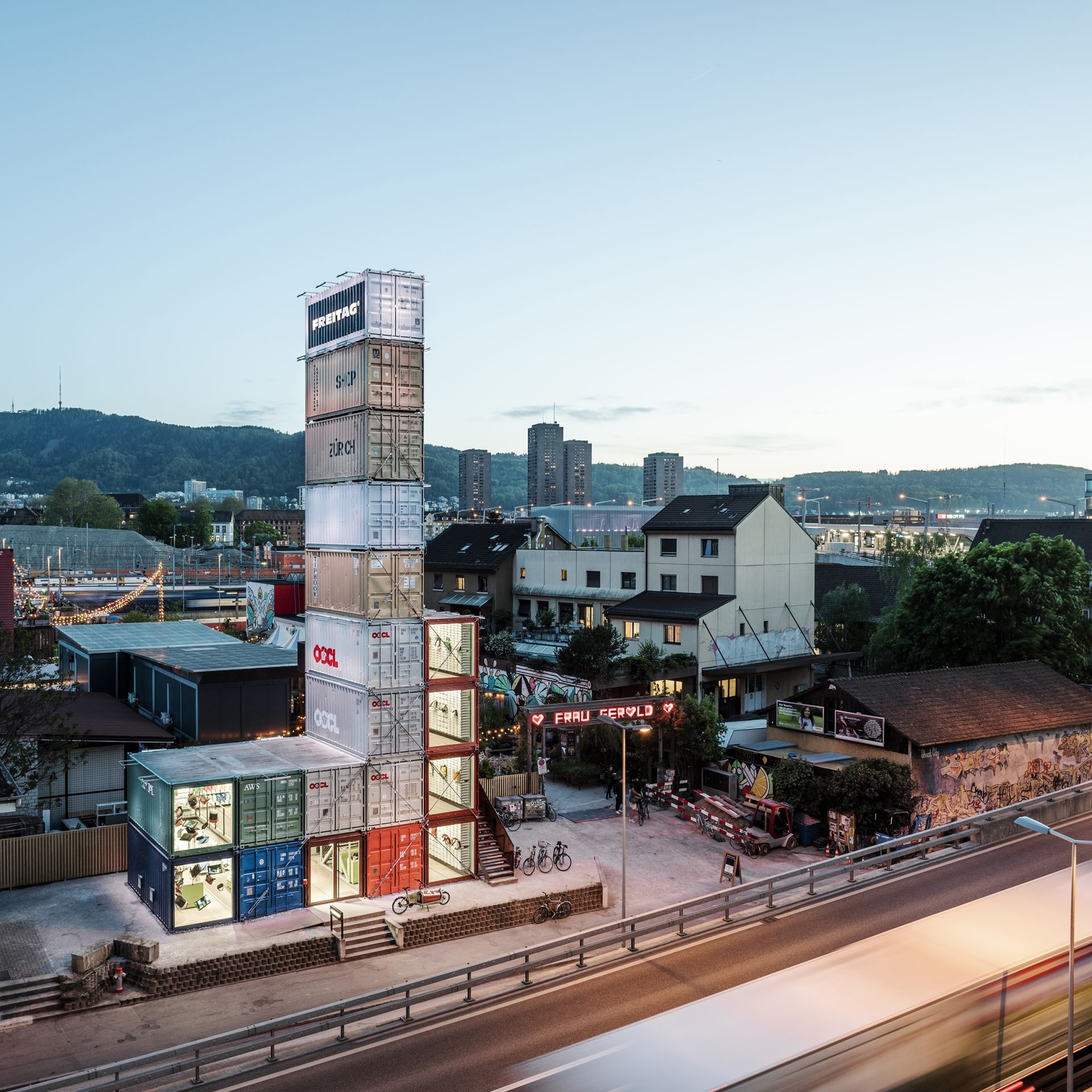
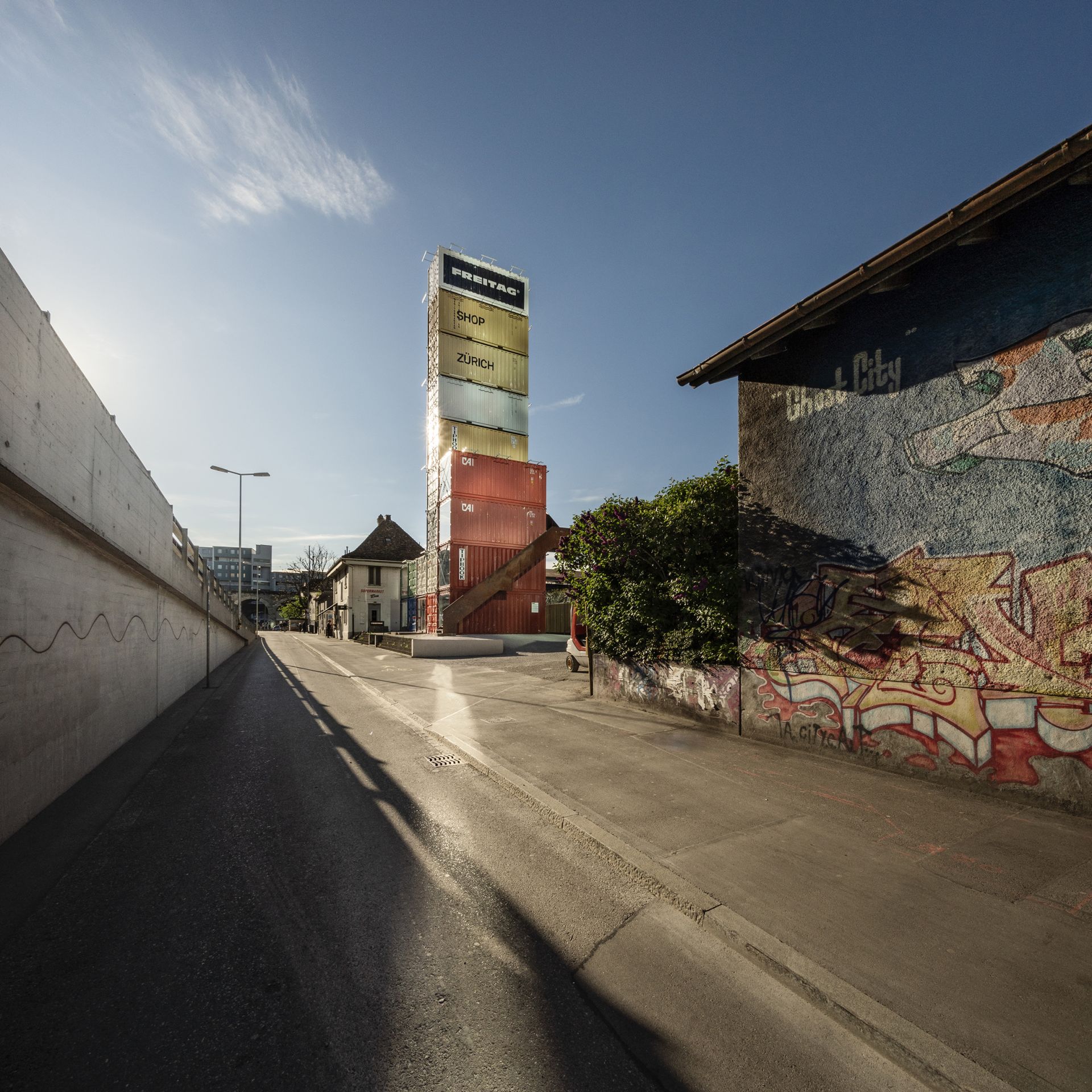
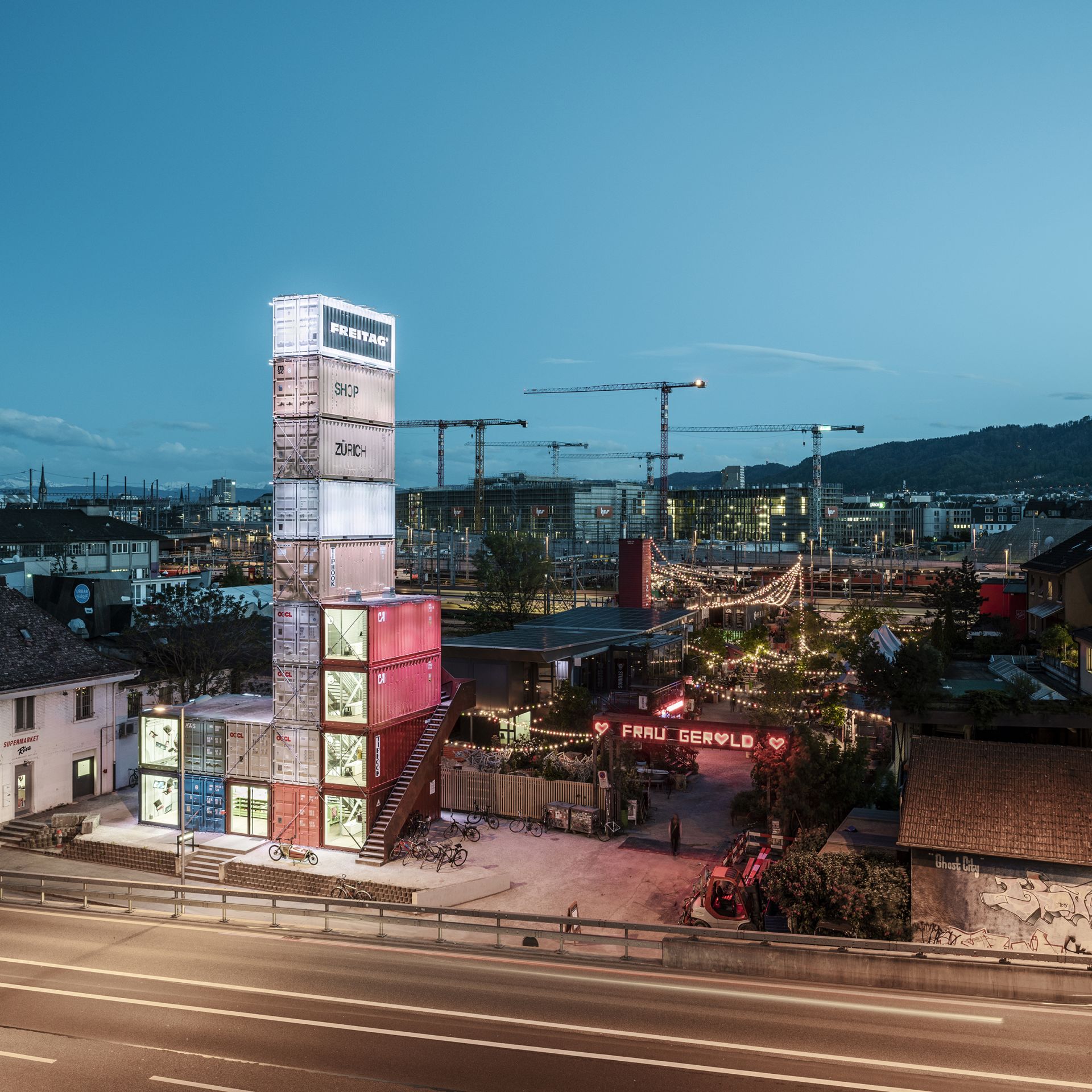
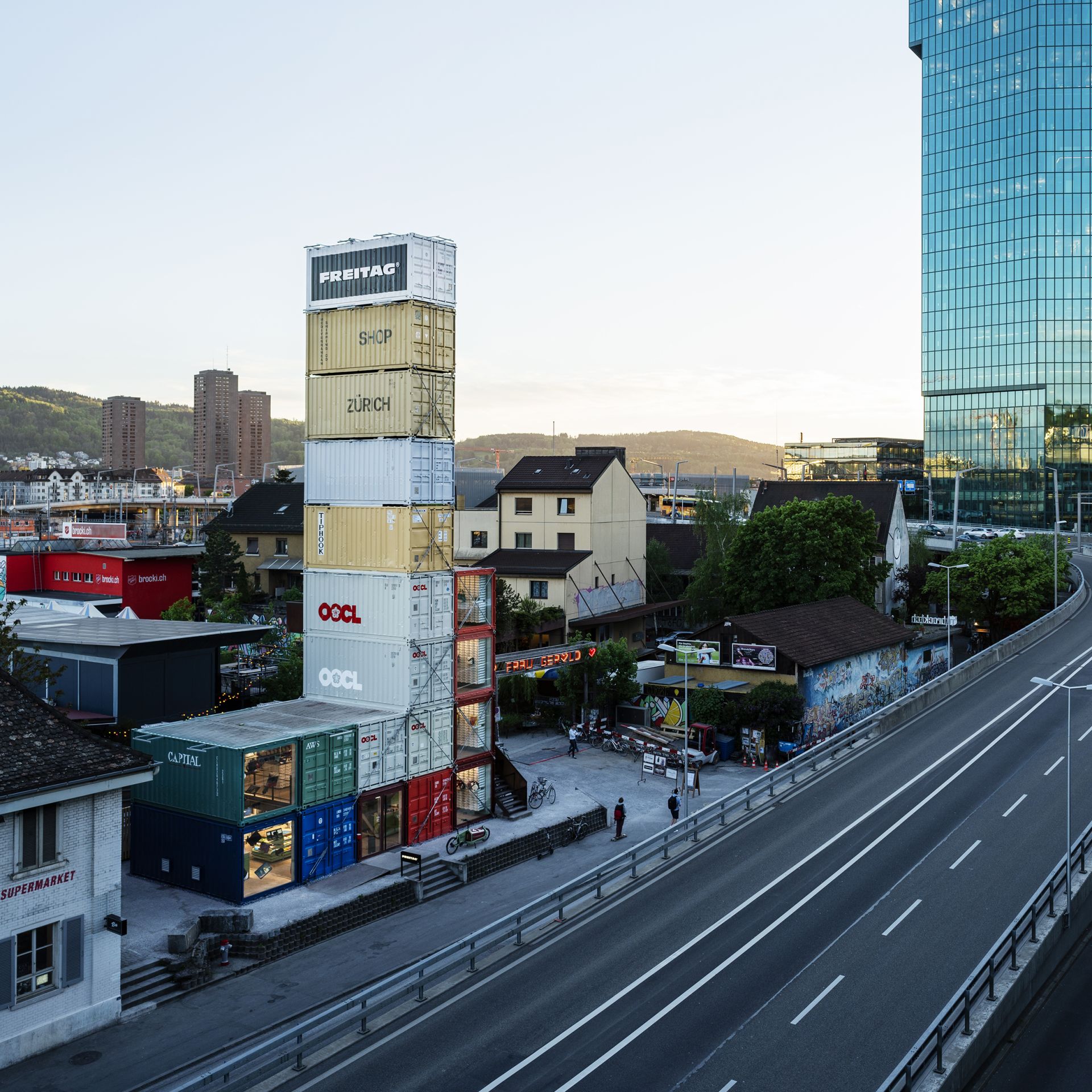
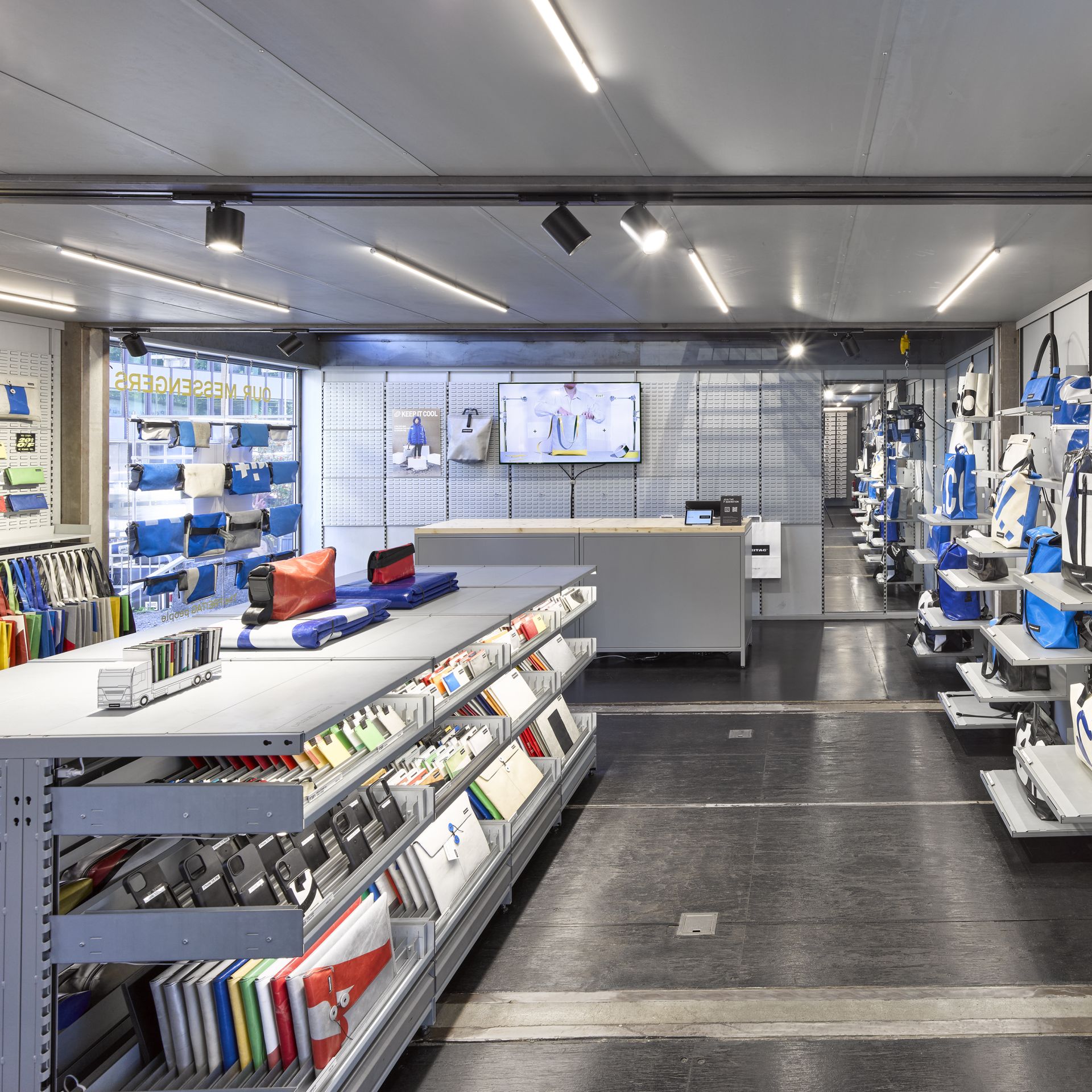
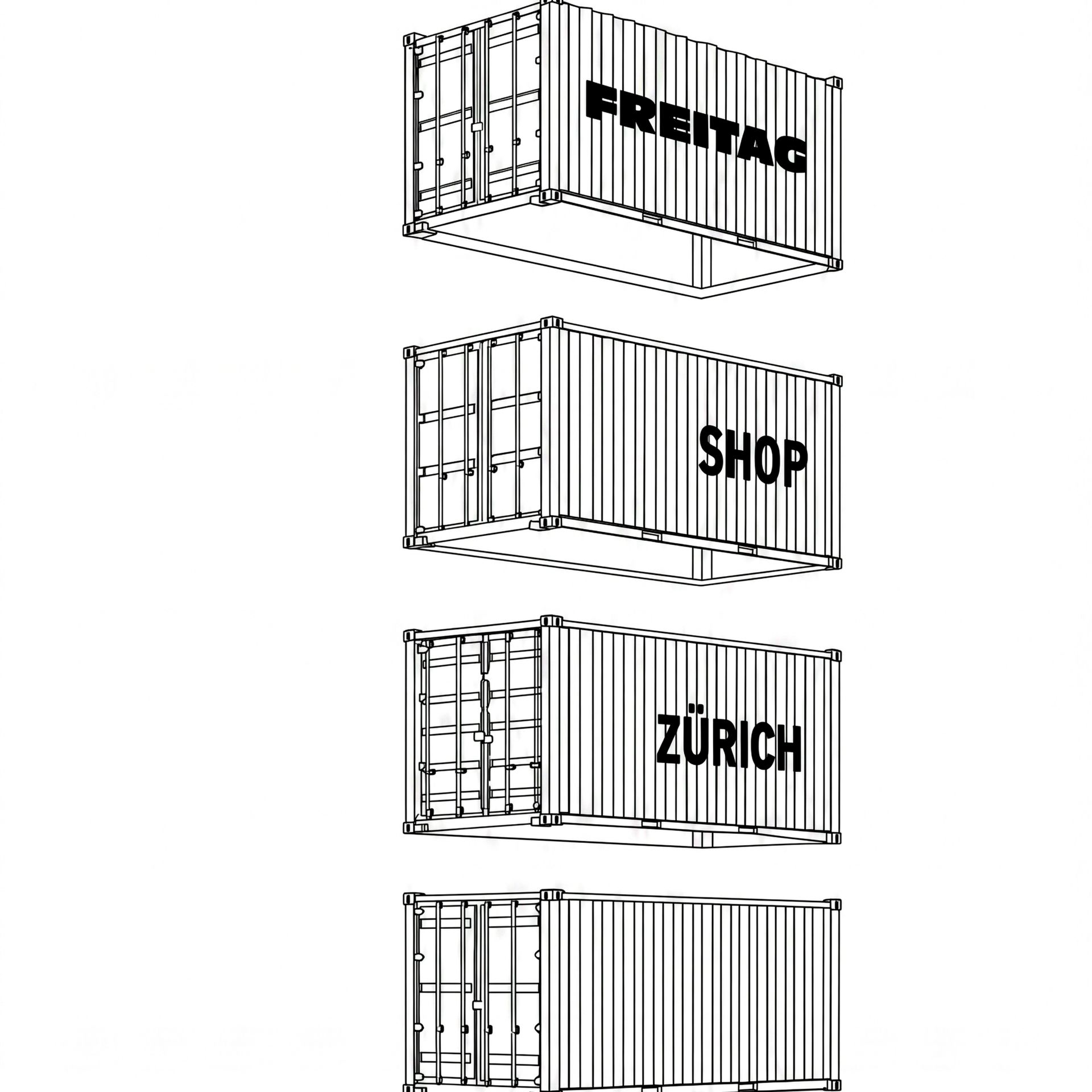
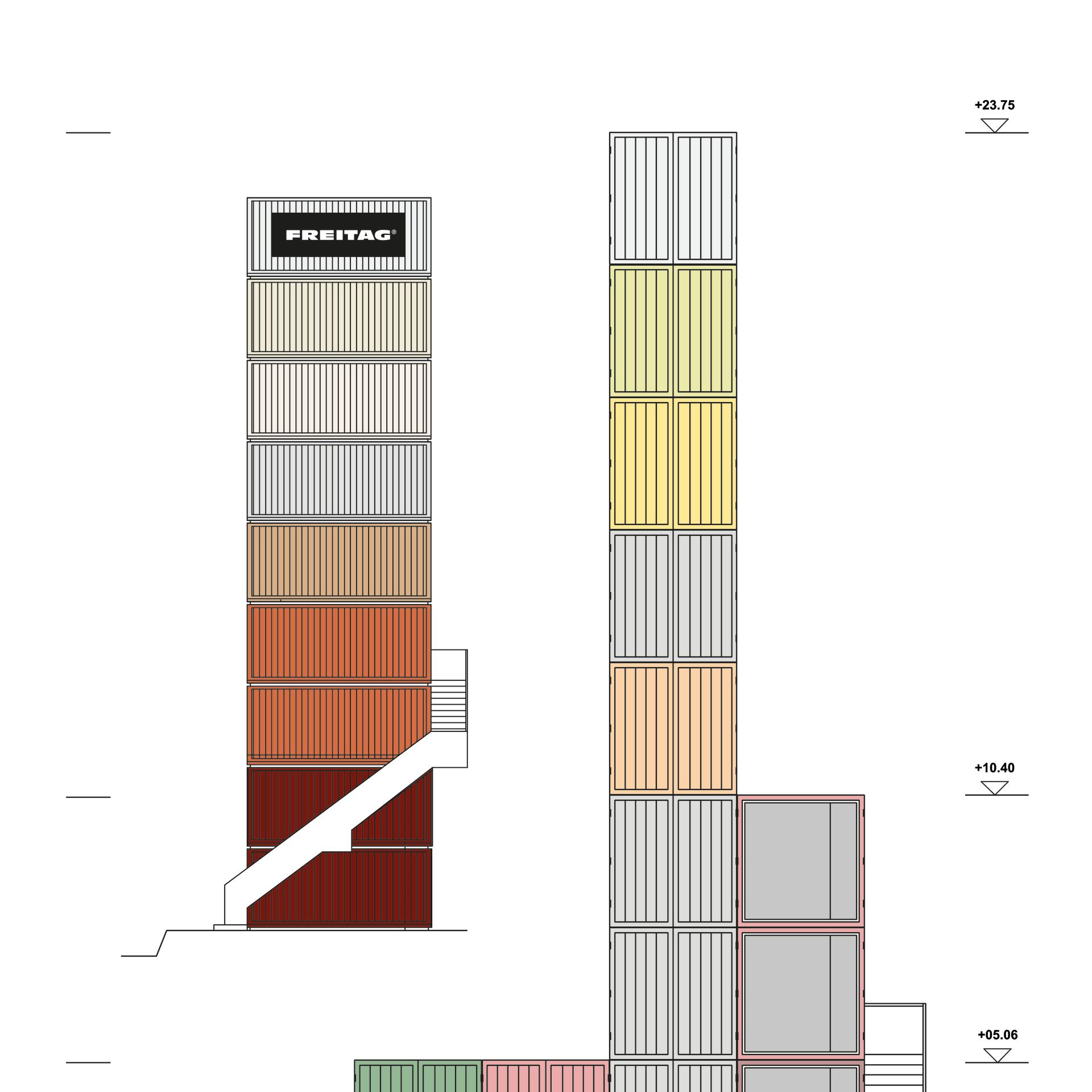
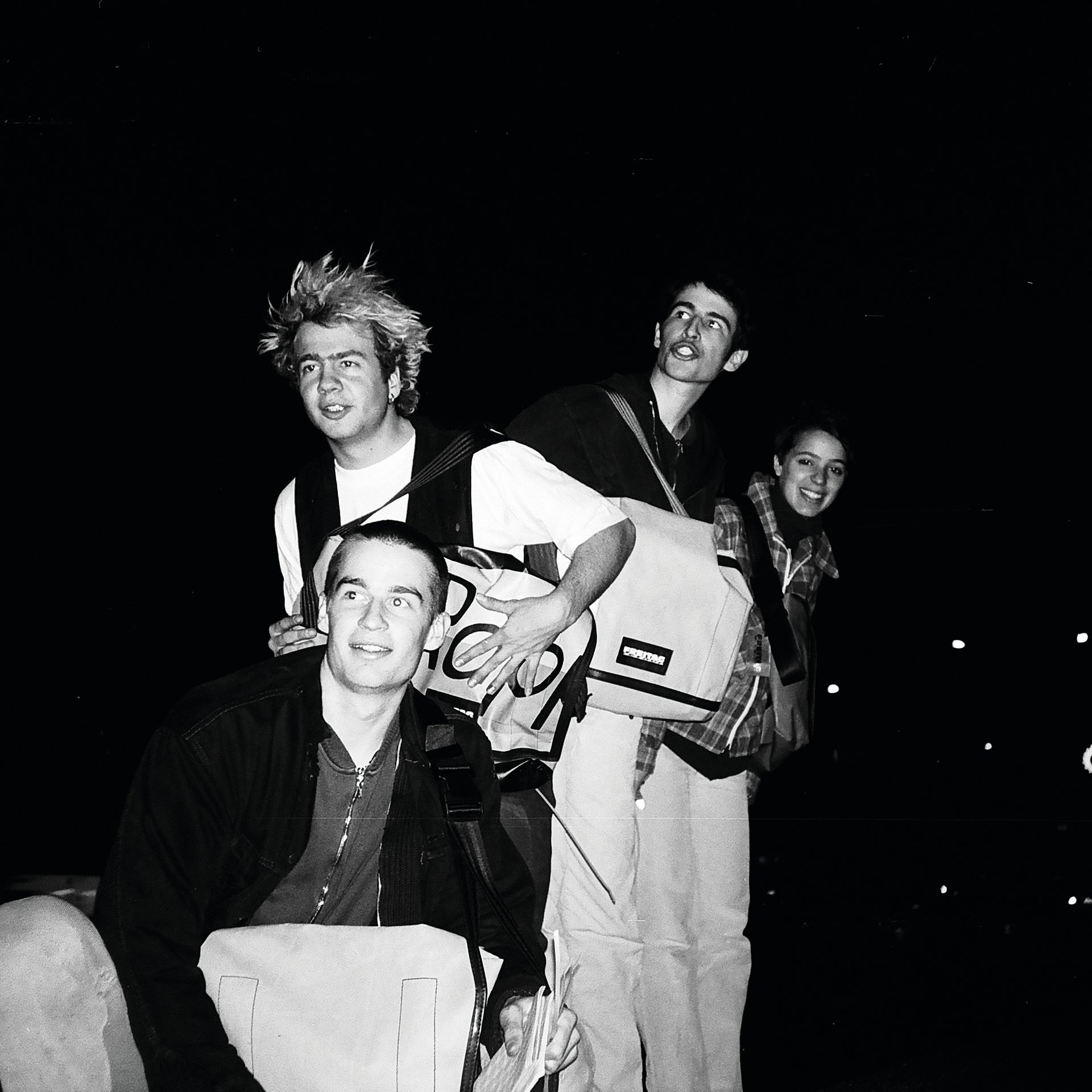
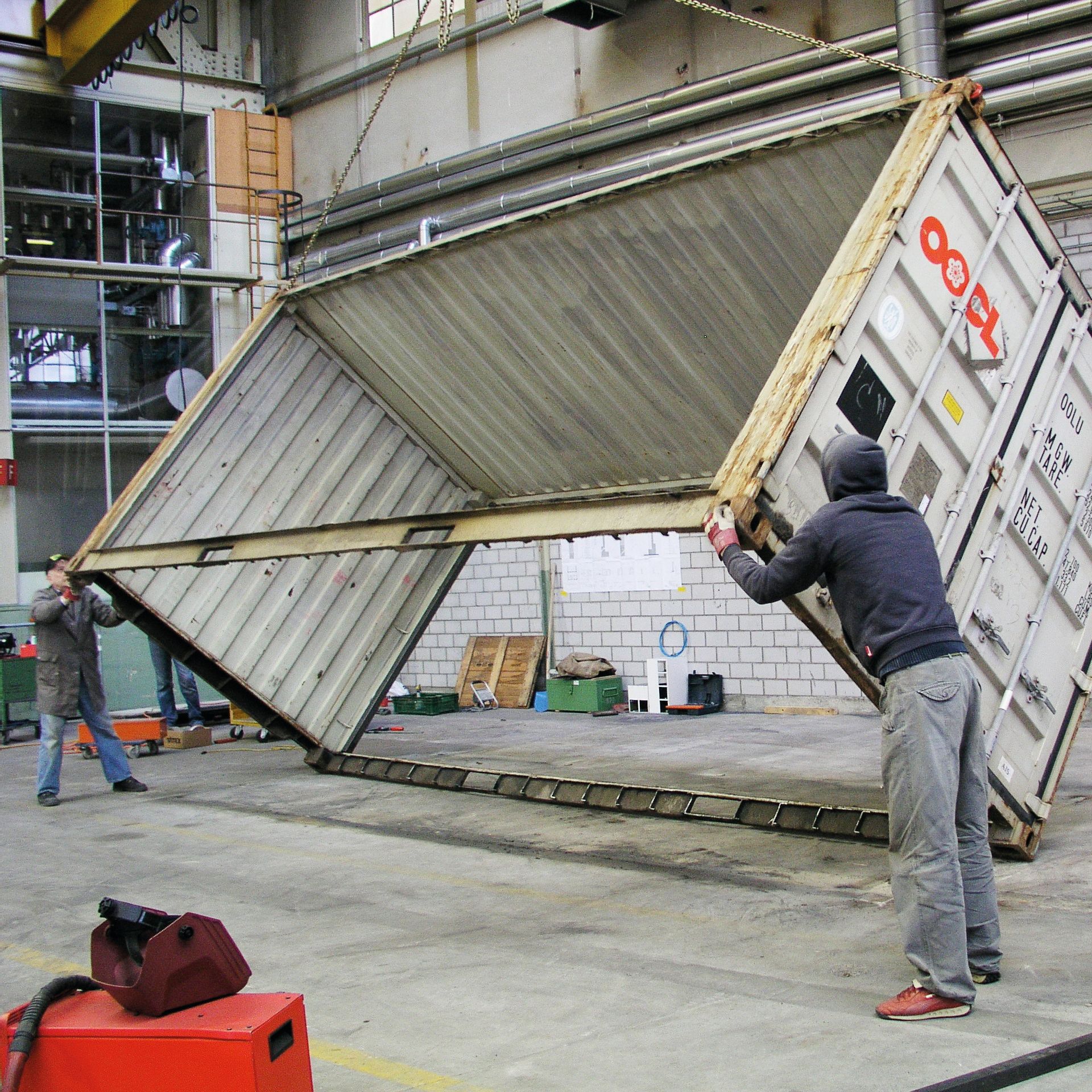
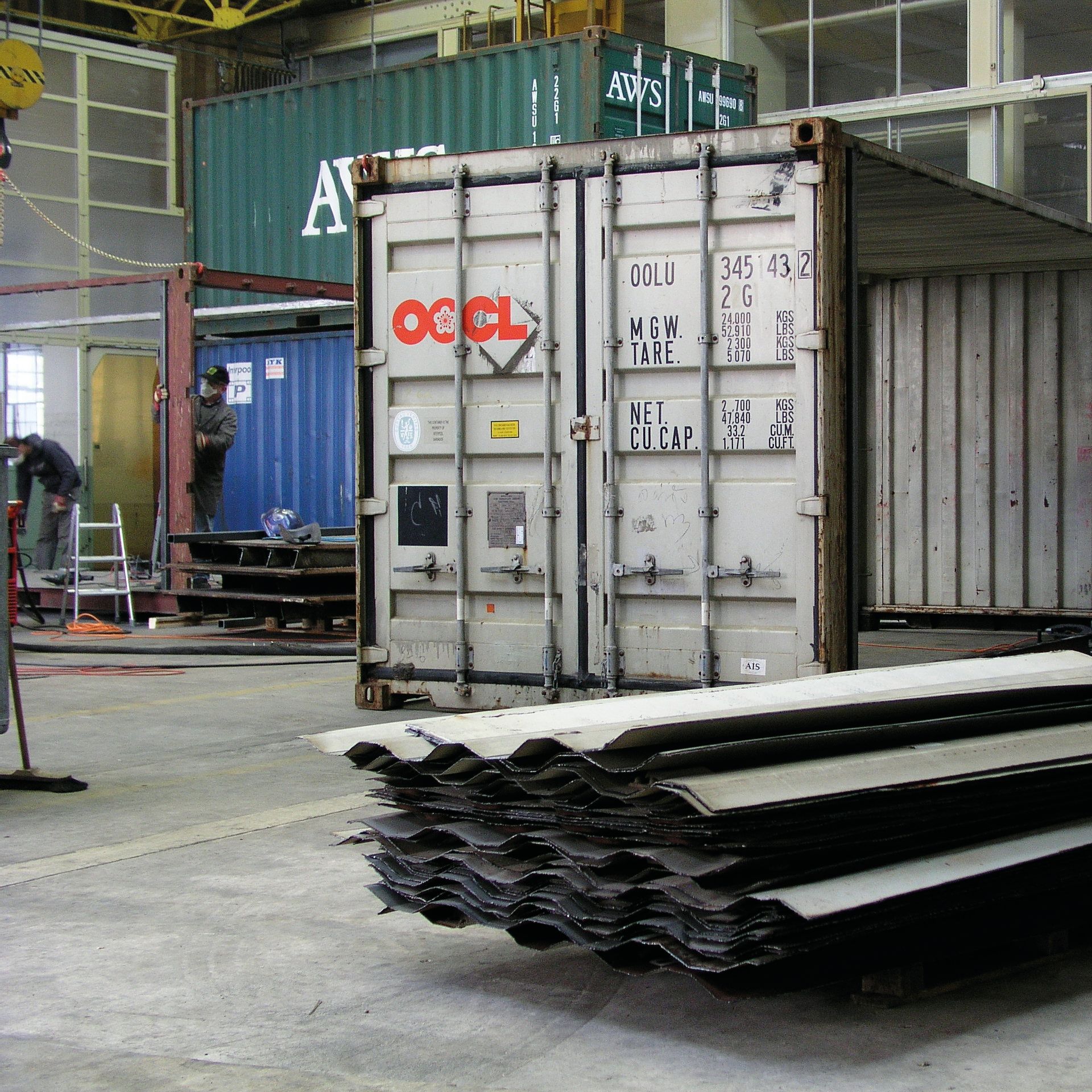
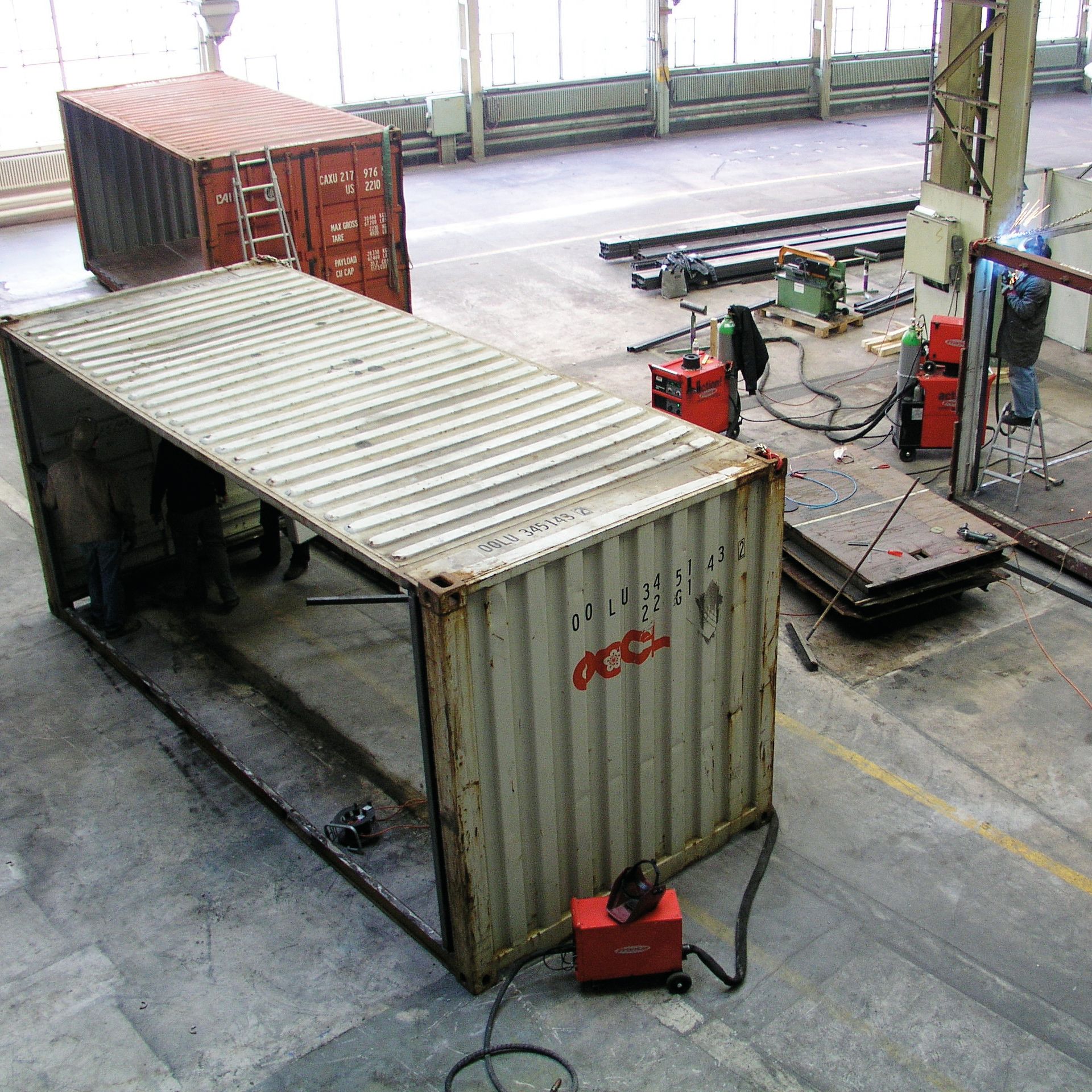
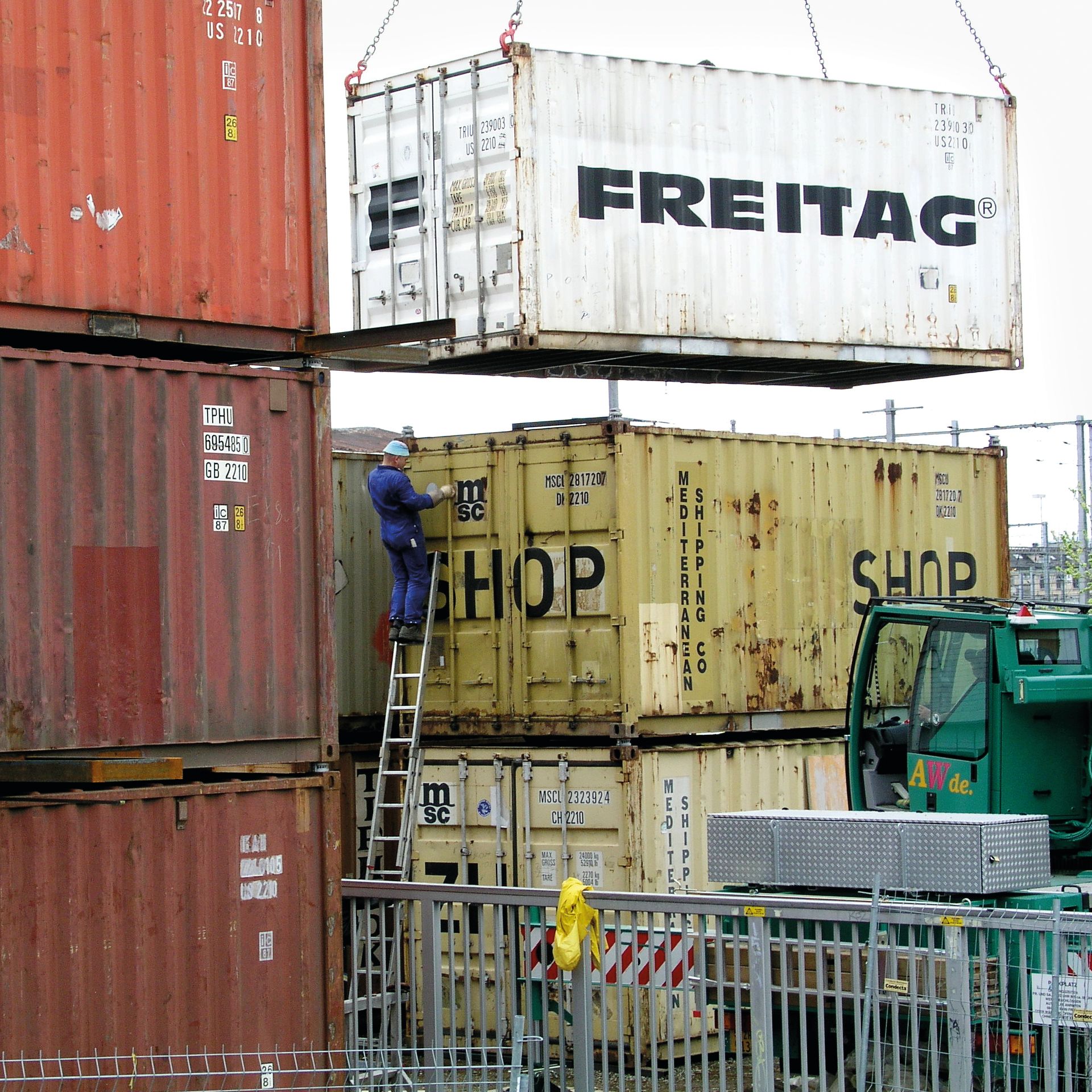
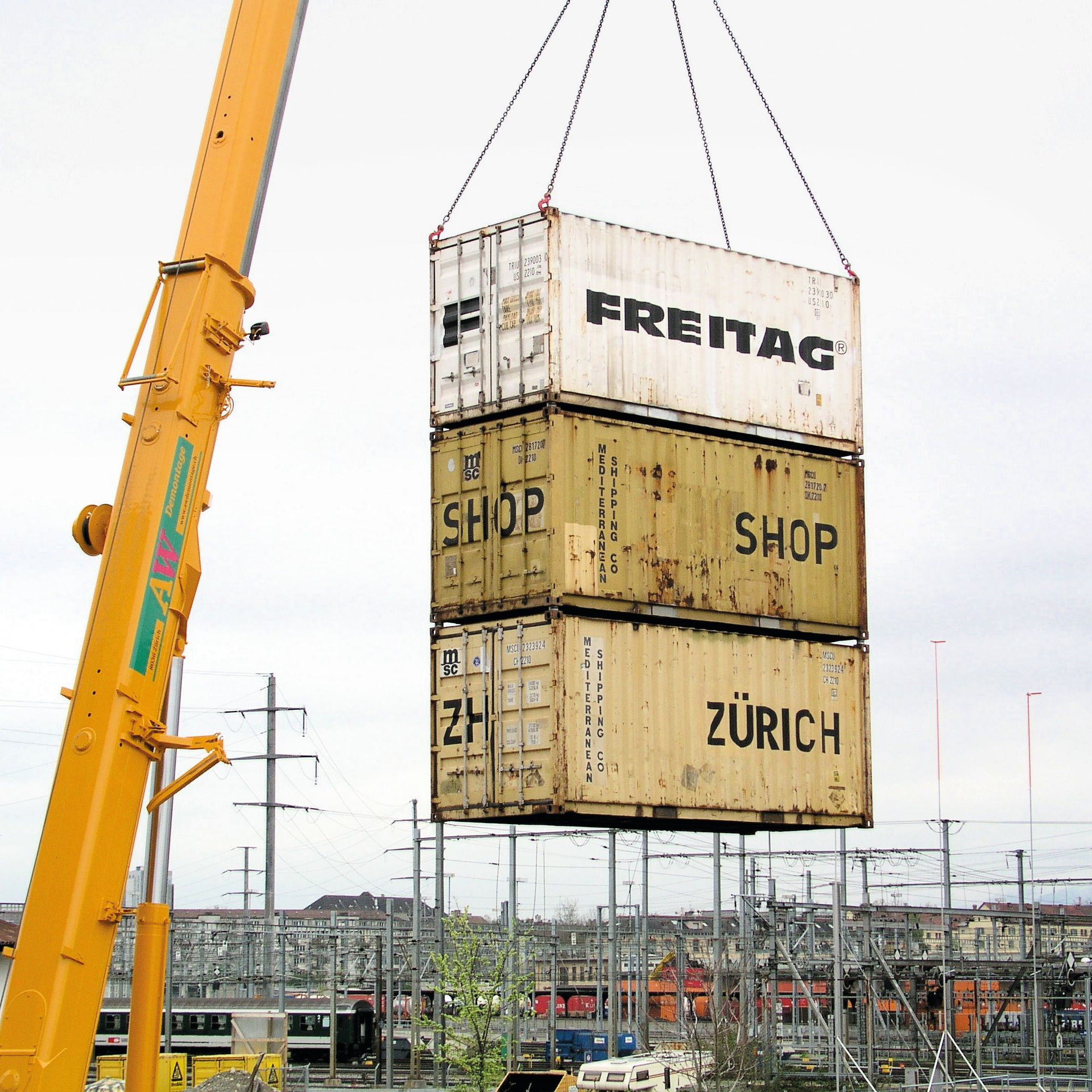
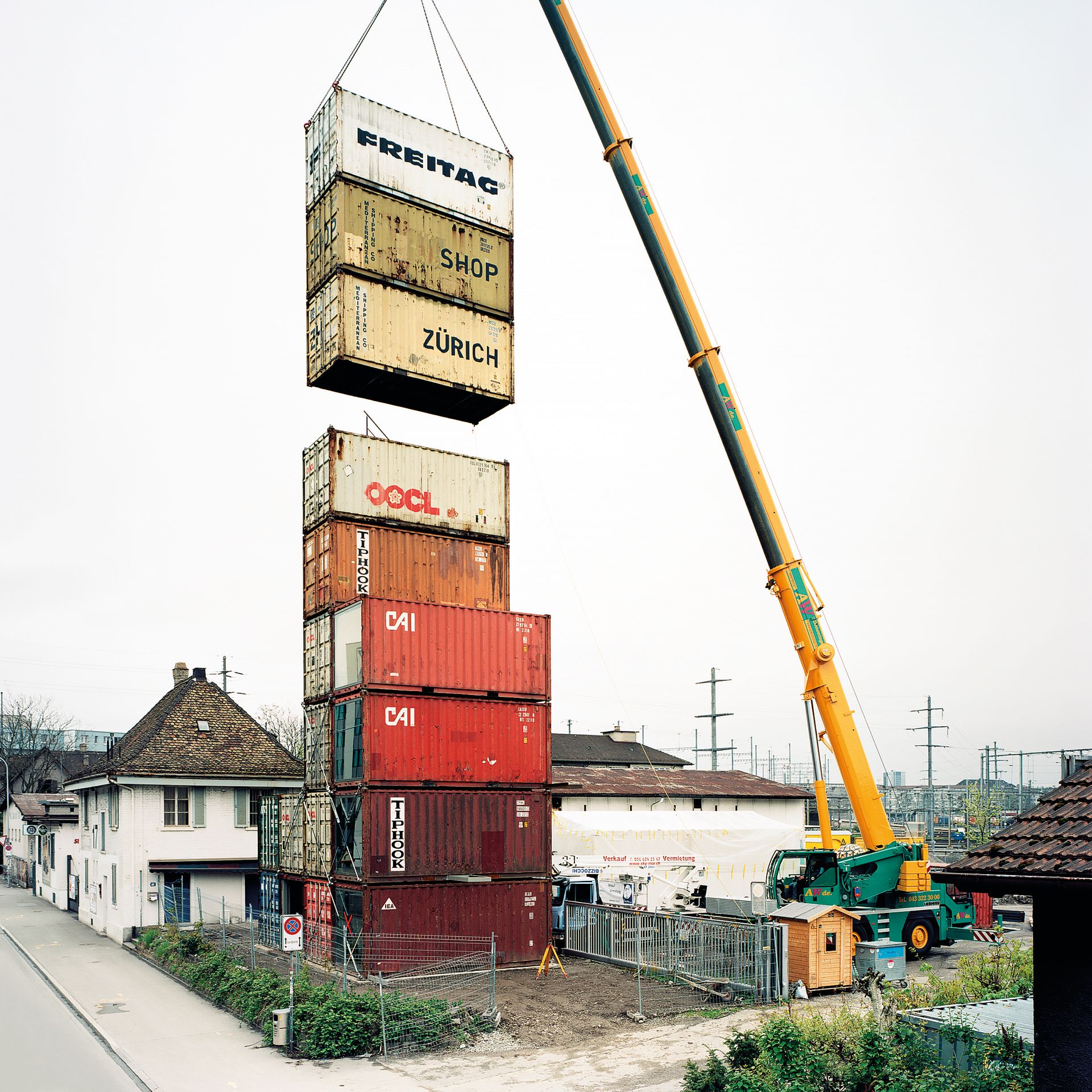
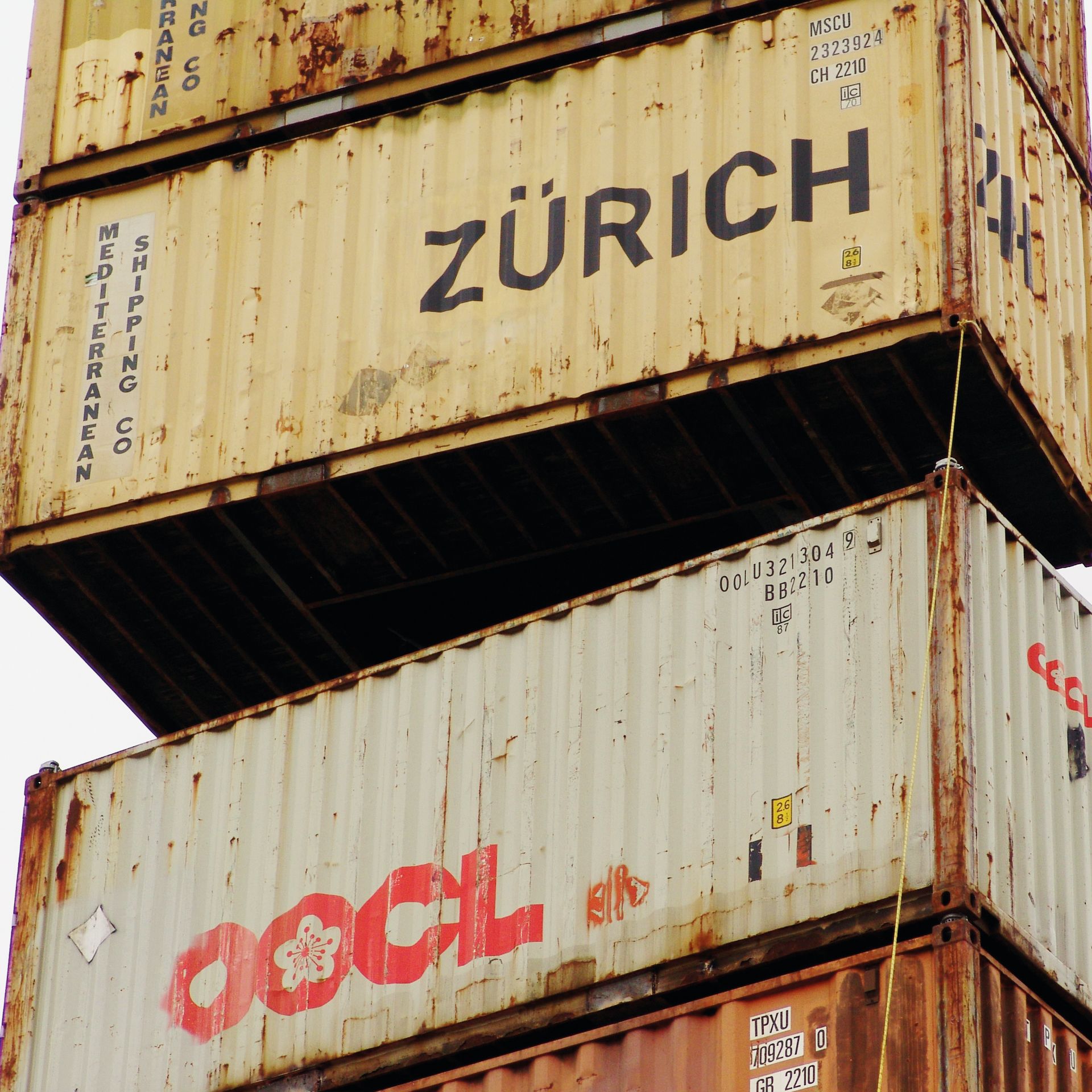
Zurich, September 2026 – At FREITAG, it’s not just truck tarps that get a second life: Opened in 2006, the FREITAG Flagship Store is made from 19 decommissioned freight containers stacked on top of one another. Twenty years later, the Flagship Store is still a symbol of the FREITAG philosophy and a crowd-puller known far beyond the city limits. To mark the anniversary, the exhibition «A SECOND LIFE – Used Materials, New Purposes» opens high up in the tower.
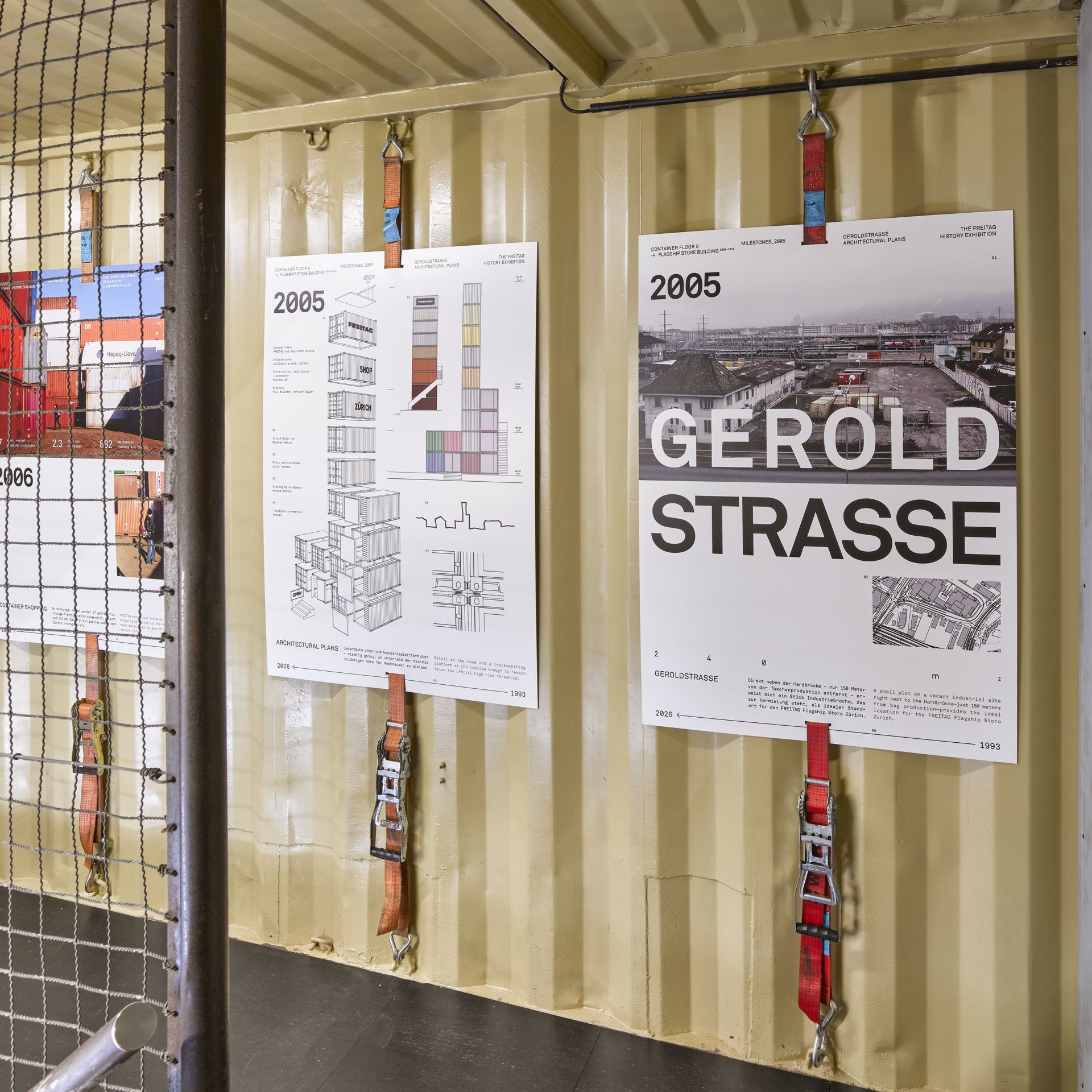
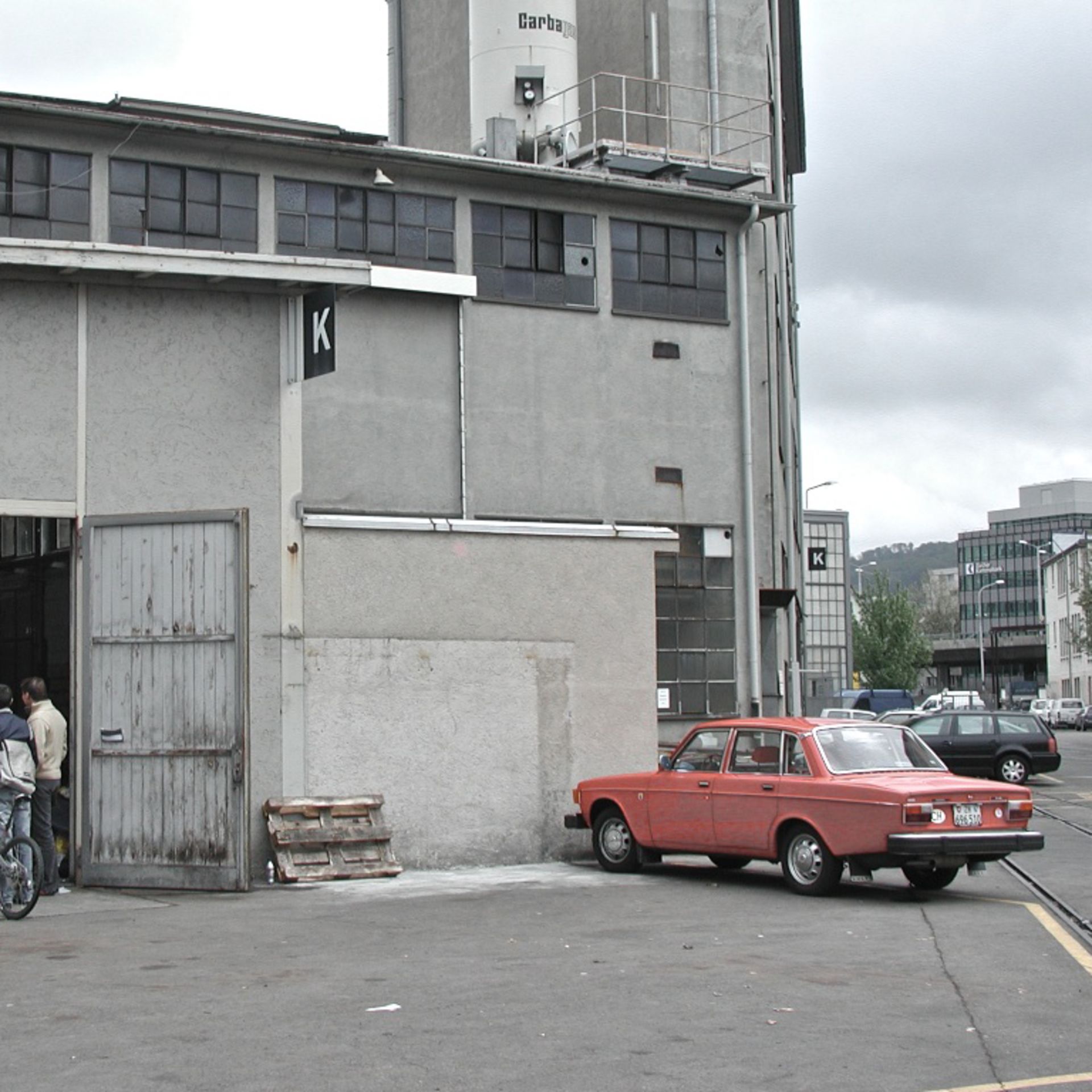
Zurich-West, the area around the busy Hardbrücke, is FREITAG territory. In 2005, an unassuming patch of no-man's-land just 150 meters from what was then FREITAG’s bag factory, came up for rent. Barely a year later, a selection of decommissioned shipping containers had been stacked there to create Zurich's smallest skyscraper. With its Flagship Store, the bag maker made a bold urban-planning statement in Zurich's former industrial district. Since then, the rust-streaked tower has become not only a cargo port for one-offs but also a permanently temporary landmark, a sightseeing tip that's long since stopped being a secret and a symbol of the FREITAG philosophy.
Reused and stacked high
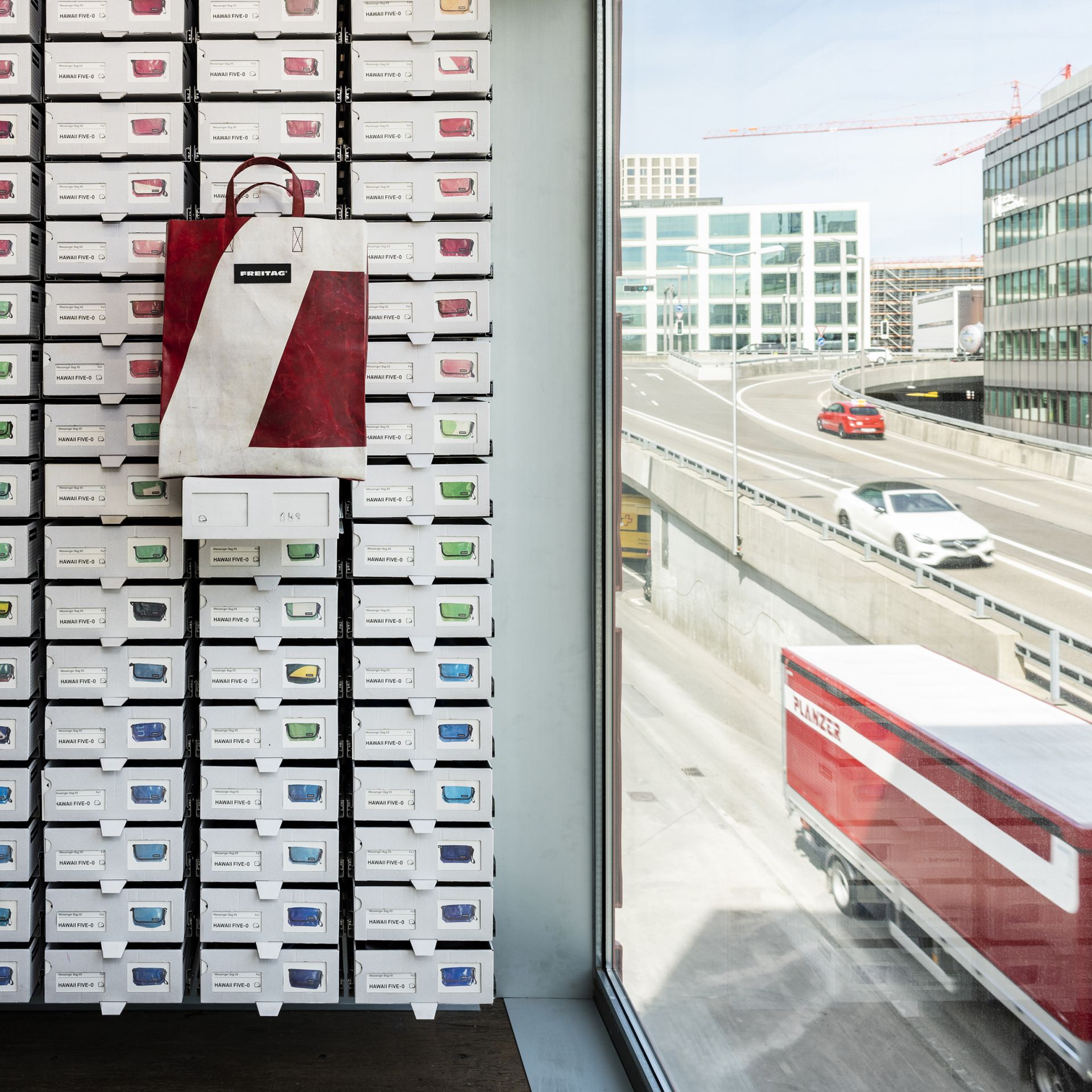
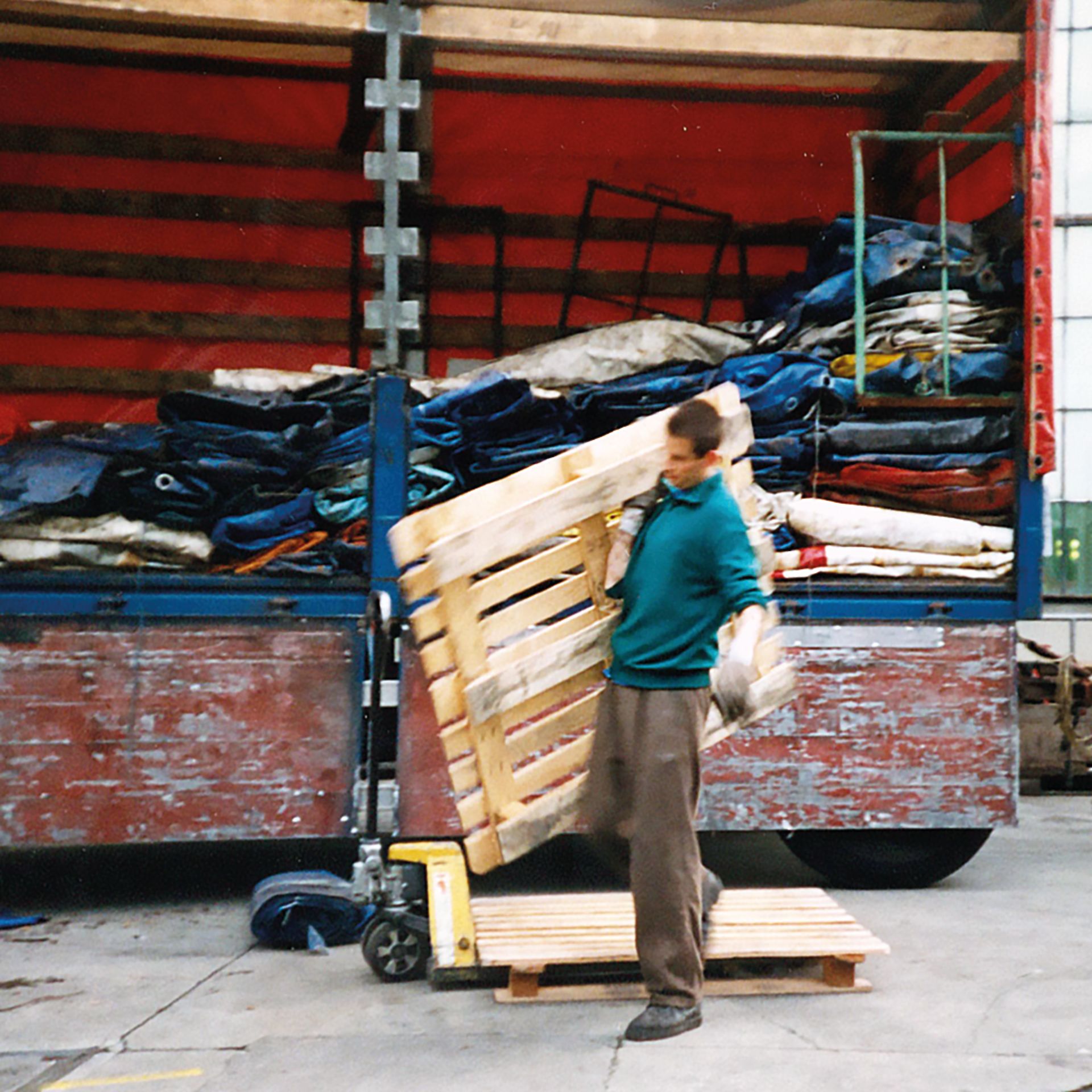
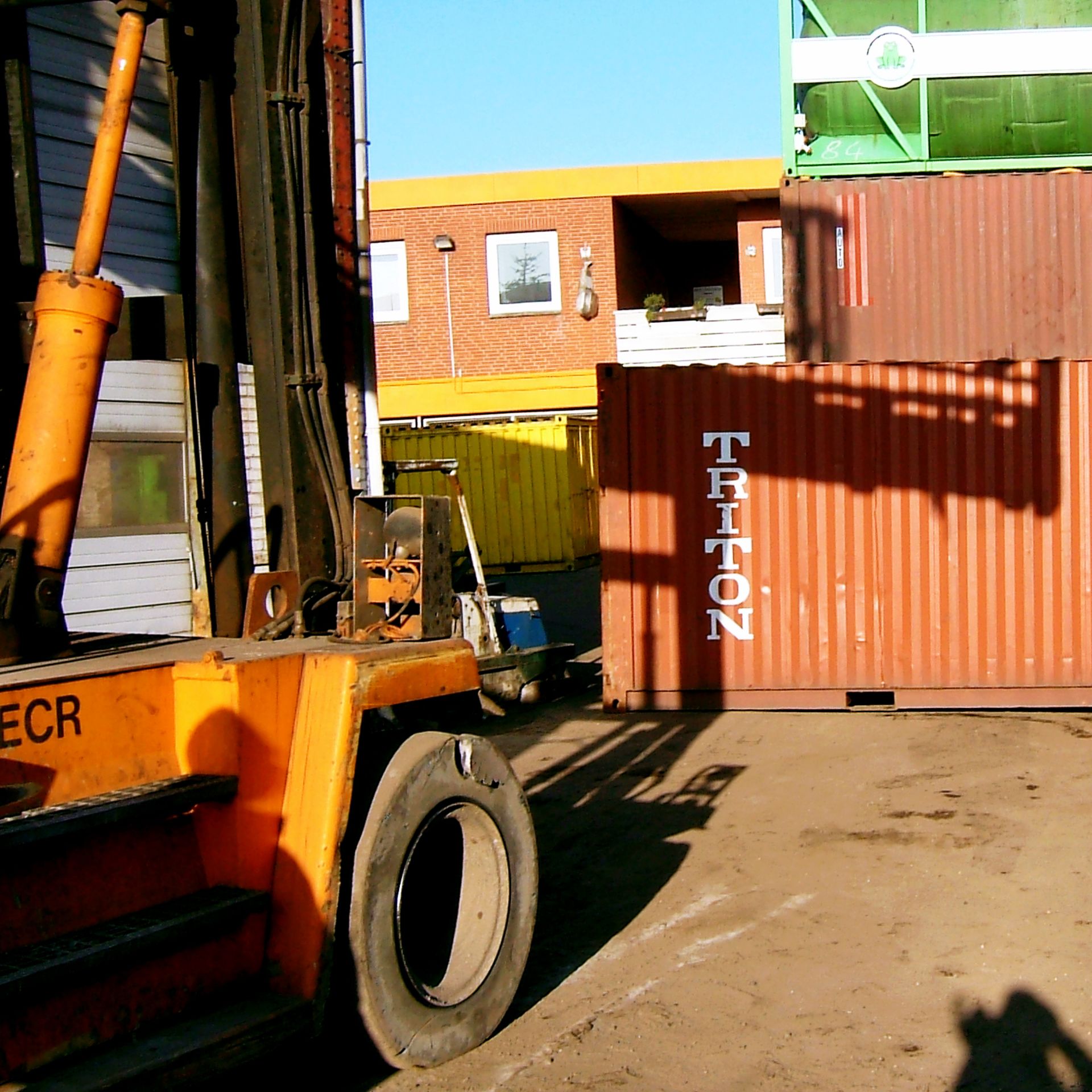
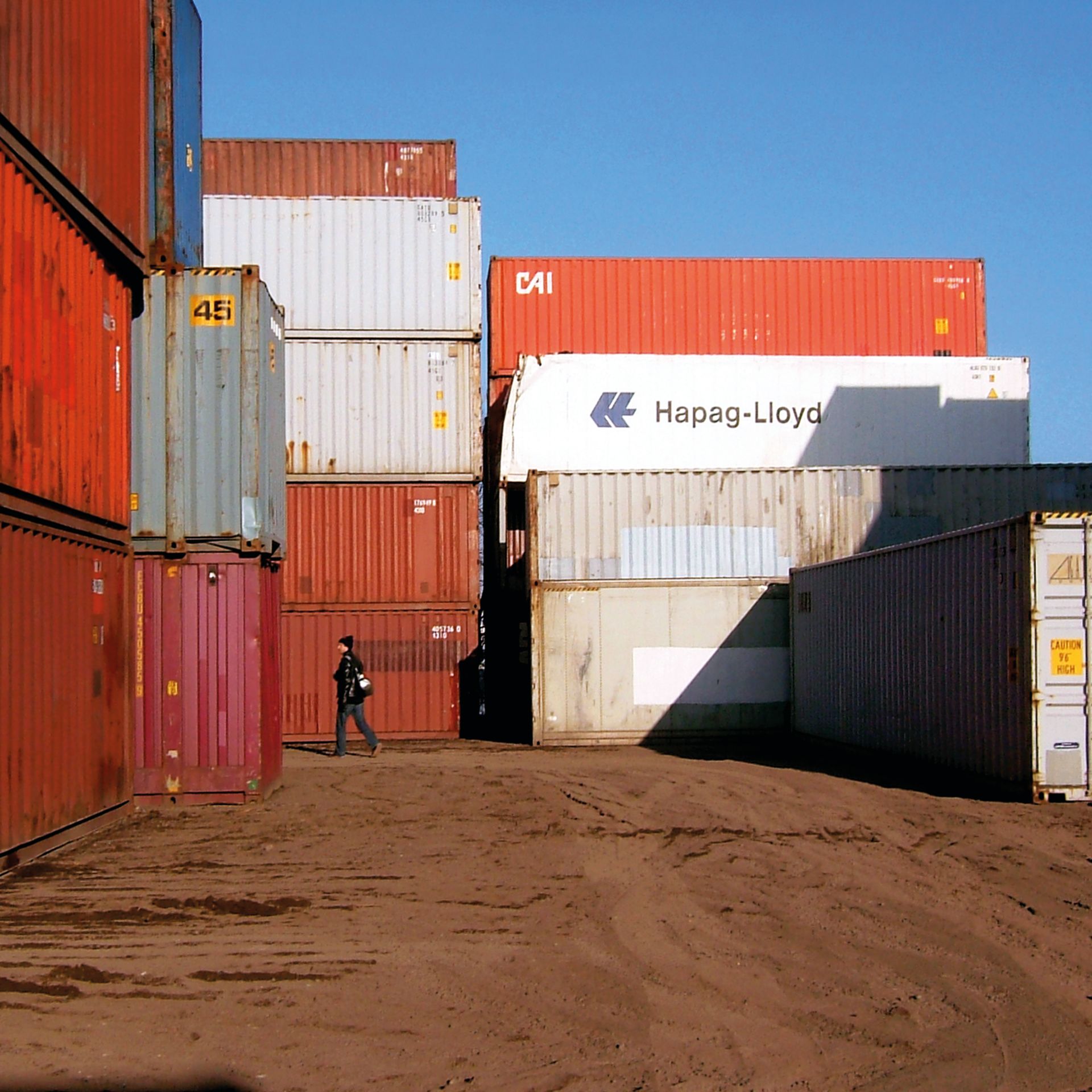
Whether it's old truck tarps, discarded car seat belts or worn-out ski boots, FREITAG gives used materials a second life. The idea of recontextualizing decommissioned containers had also kept cropping up—long before the opportunity to put it into practice came along at Zurich's Gerold site in 2005. Then suddenly everything moved fast: From filing the building permit application and selecting containers at the port of Hamburg to completion, the entire process took only around six months. The result is a structure visible from far and wide that greets everyone arriving in Zurich by train—whether from nearby Brugg or Bruges. Low enough to remain below the officially permitted high-rise threshold; high enough to make even hardened visitors feel dizzy. Complete with a viewing platform from which you can watch future bag material on trucks rolling by.
Permanently temporary
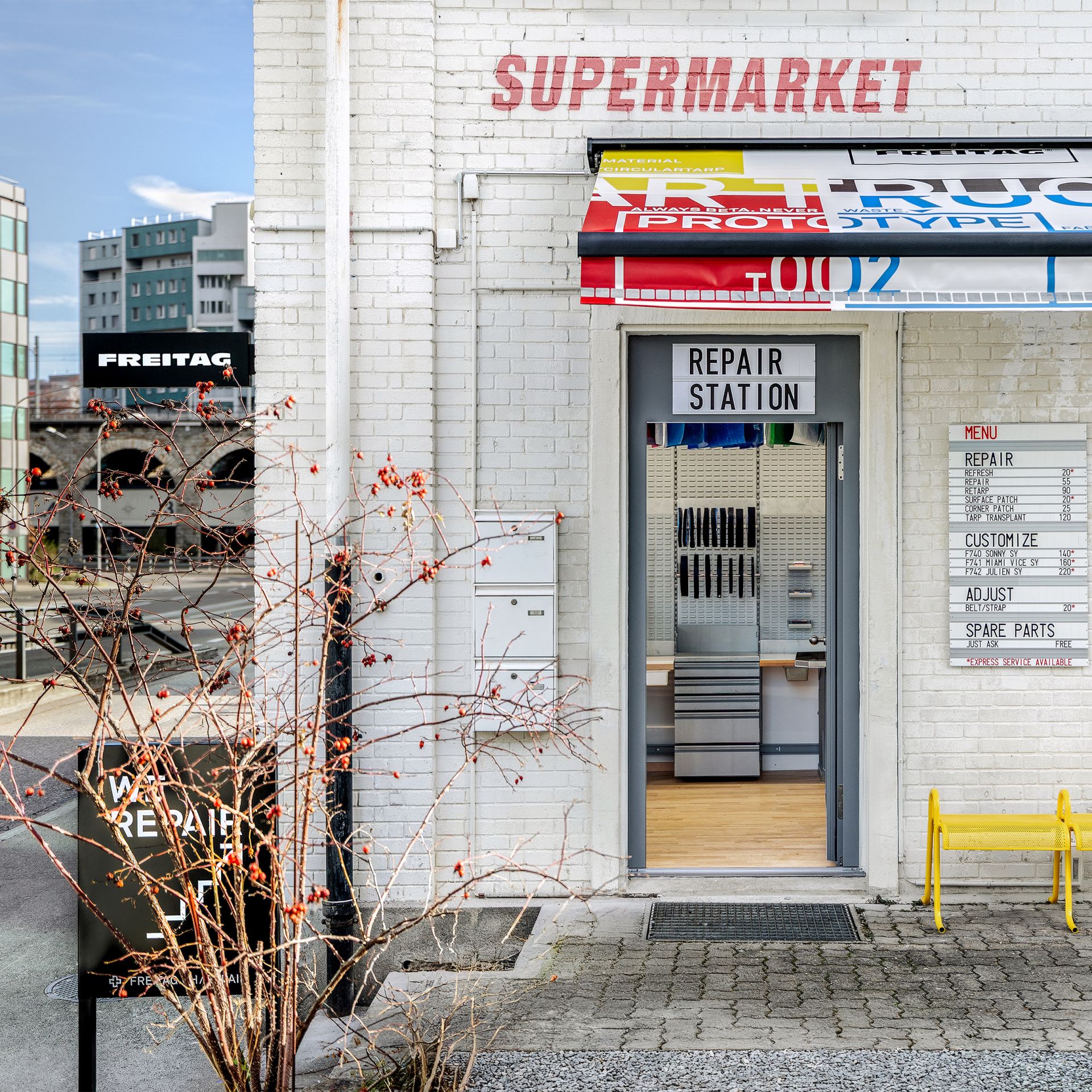
Intended to be temporary, it's a cause for celebration that the bag bastion has stood the test of time to reach its 20th anniversary. Although lavished with media attention and architecture awards, the building was initially under a provisional building permit and fixed-term lease, so its longevity was by no means to be expected. Thanks to its modular construction, the retail space was expanded in 2010 with two more containers and very little effort. It wasn't until 2014, following energy-efficiency upgrades such as the installation of a heat pump, that the repeatedly expanded structure was granted permanent approval. In 2019, advancing rust—and a further extension of the land lease—prompted a complete overhaul, including a new coat of paint. Since mid-2026, a photovoltaic system has provided shade to the hot metal roofs and supplied the store with hyperlocal solar power. Directly adjacent to the container tower, the Repair Kiosk, opened in 2025, makes it easy to bring FREITAG one-offs for repair right to the heart of Zurich—entirely in keeping with the circular economy that has driven FREITAG since 1993.
The second life of things: an exhibition
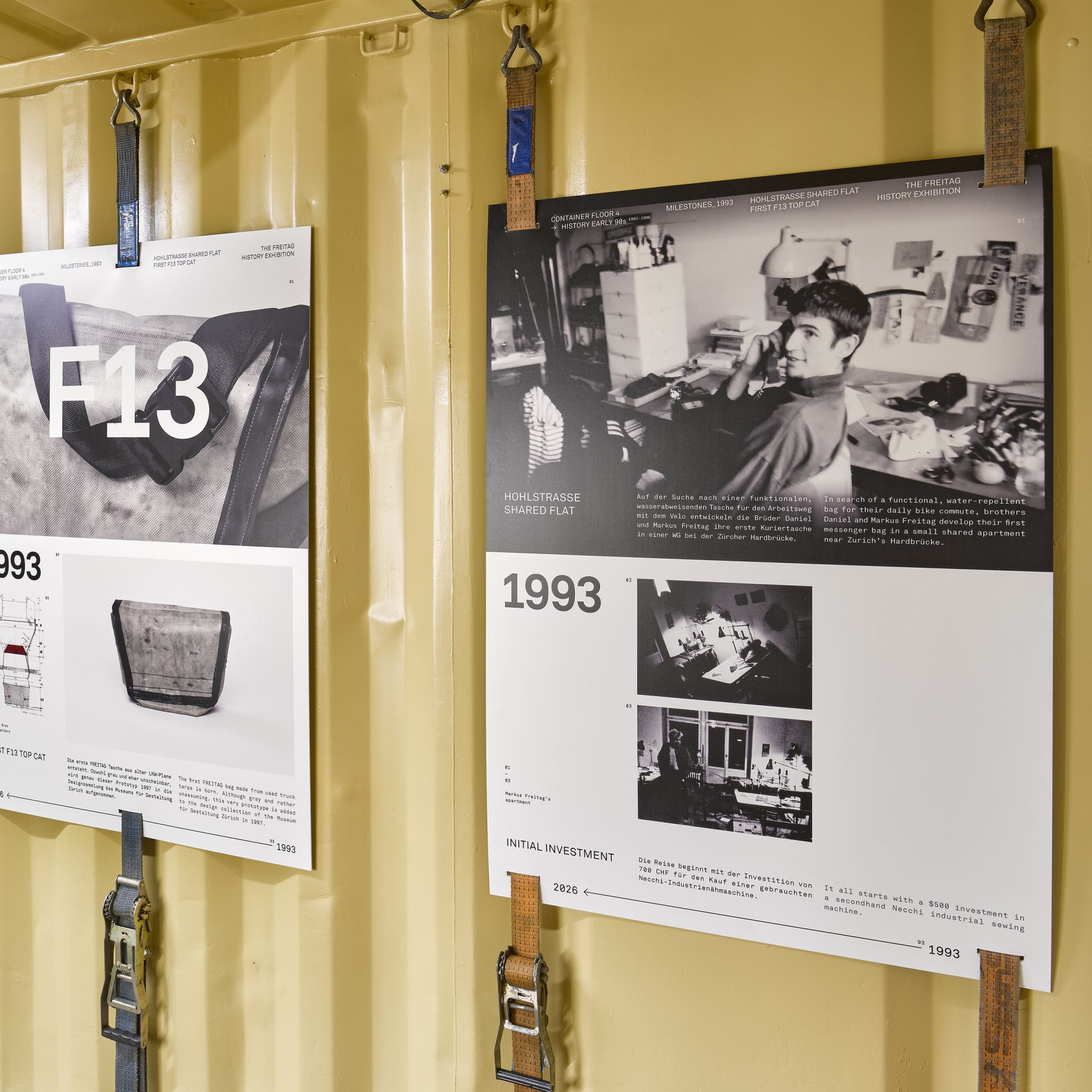
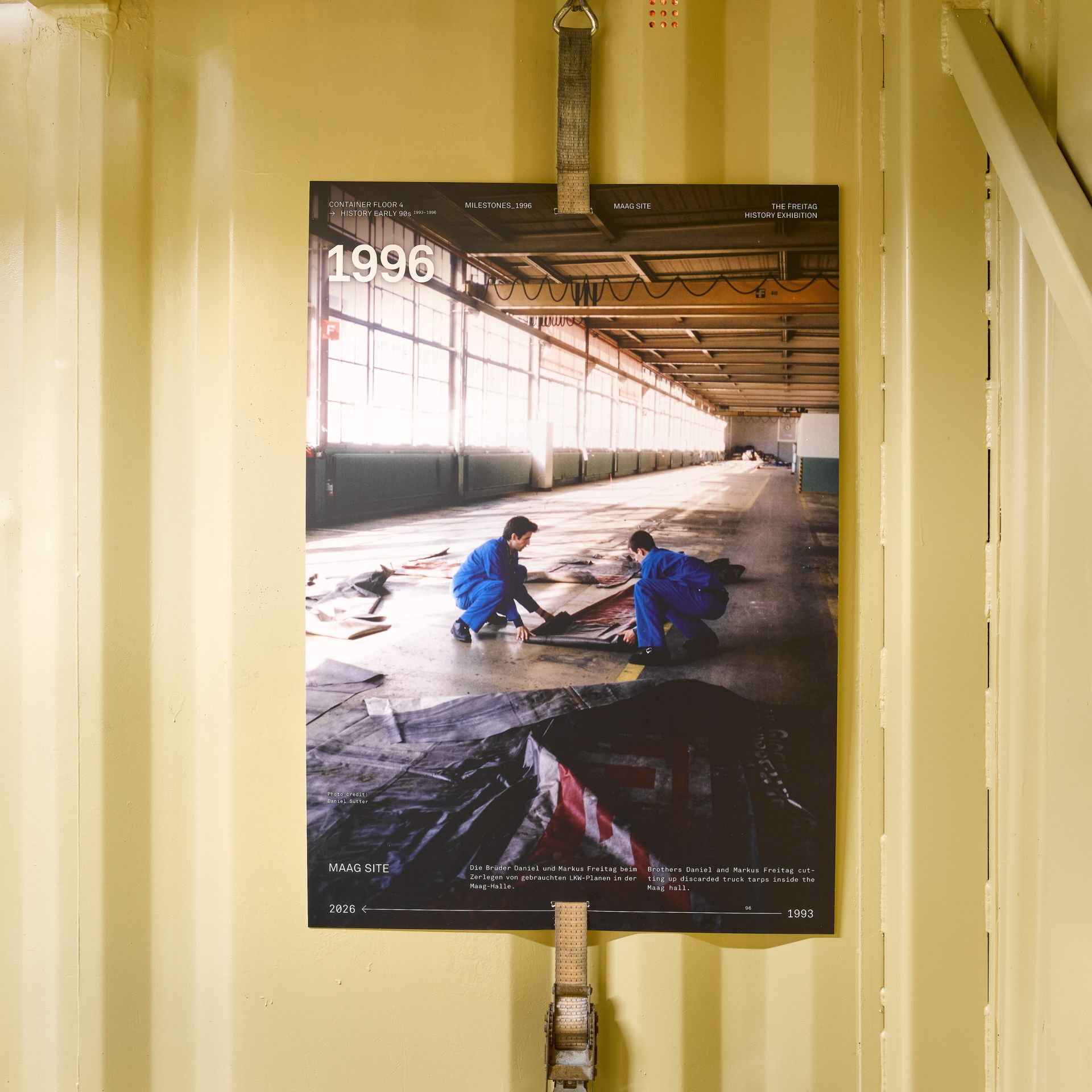
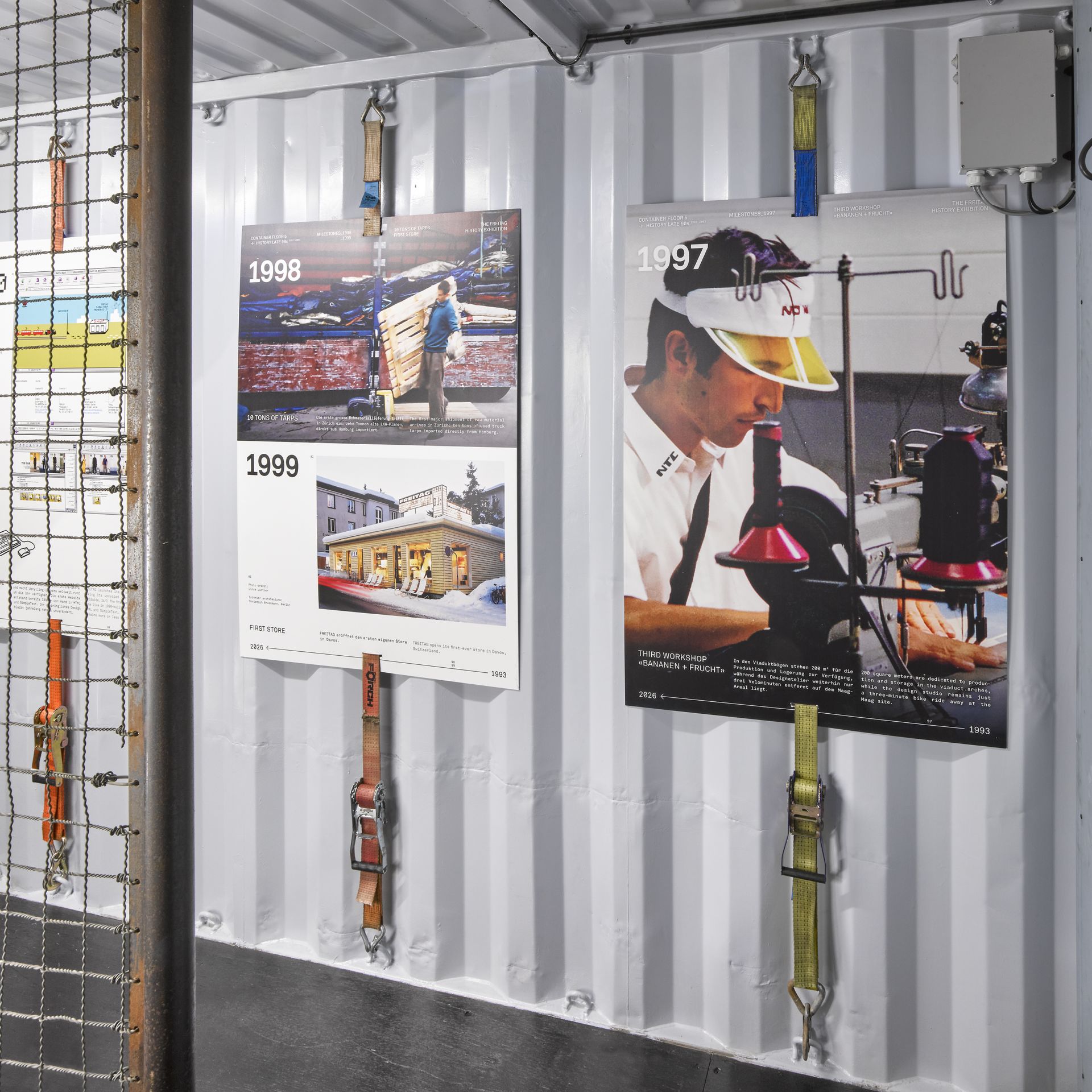
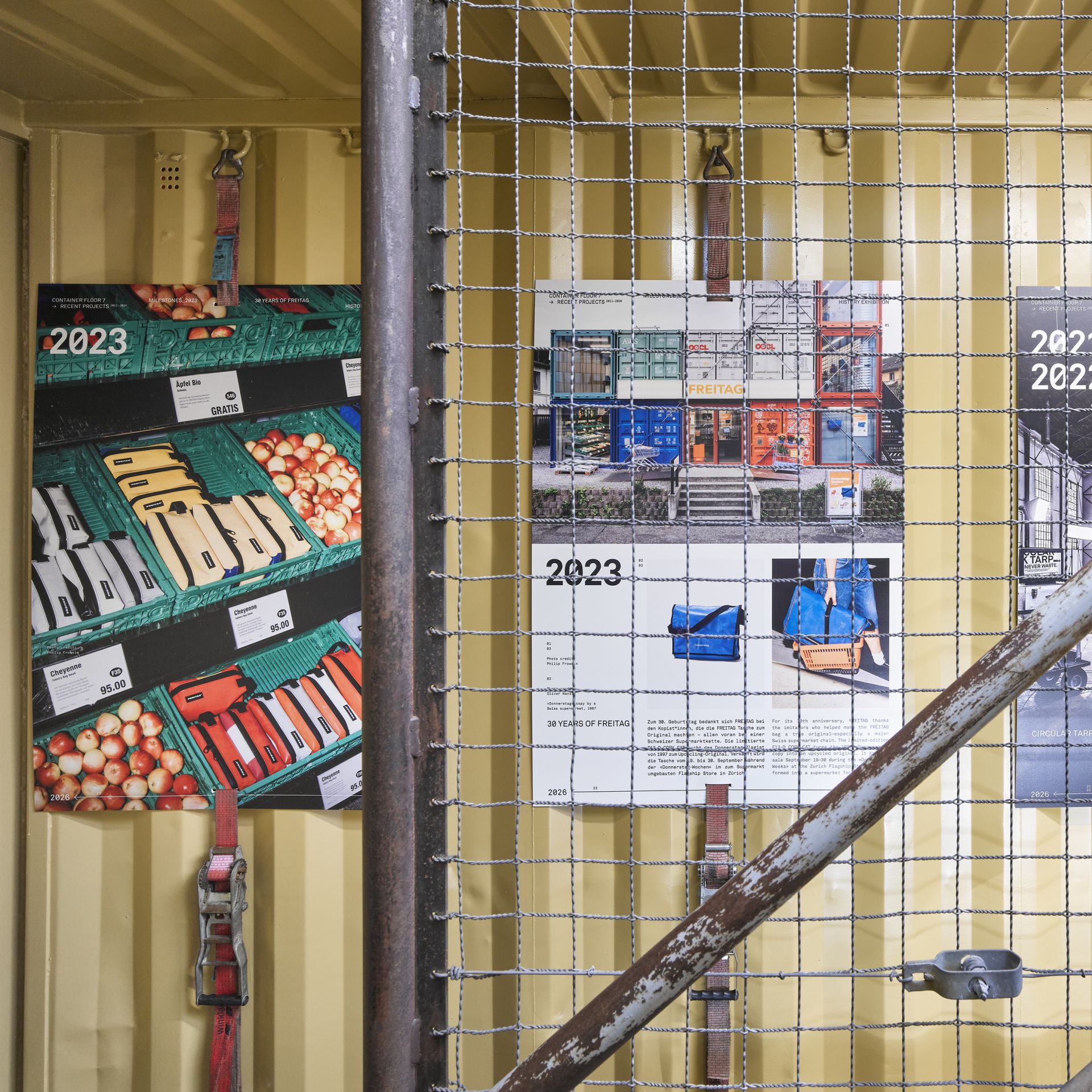
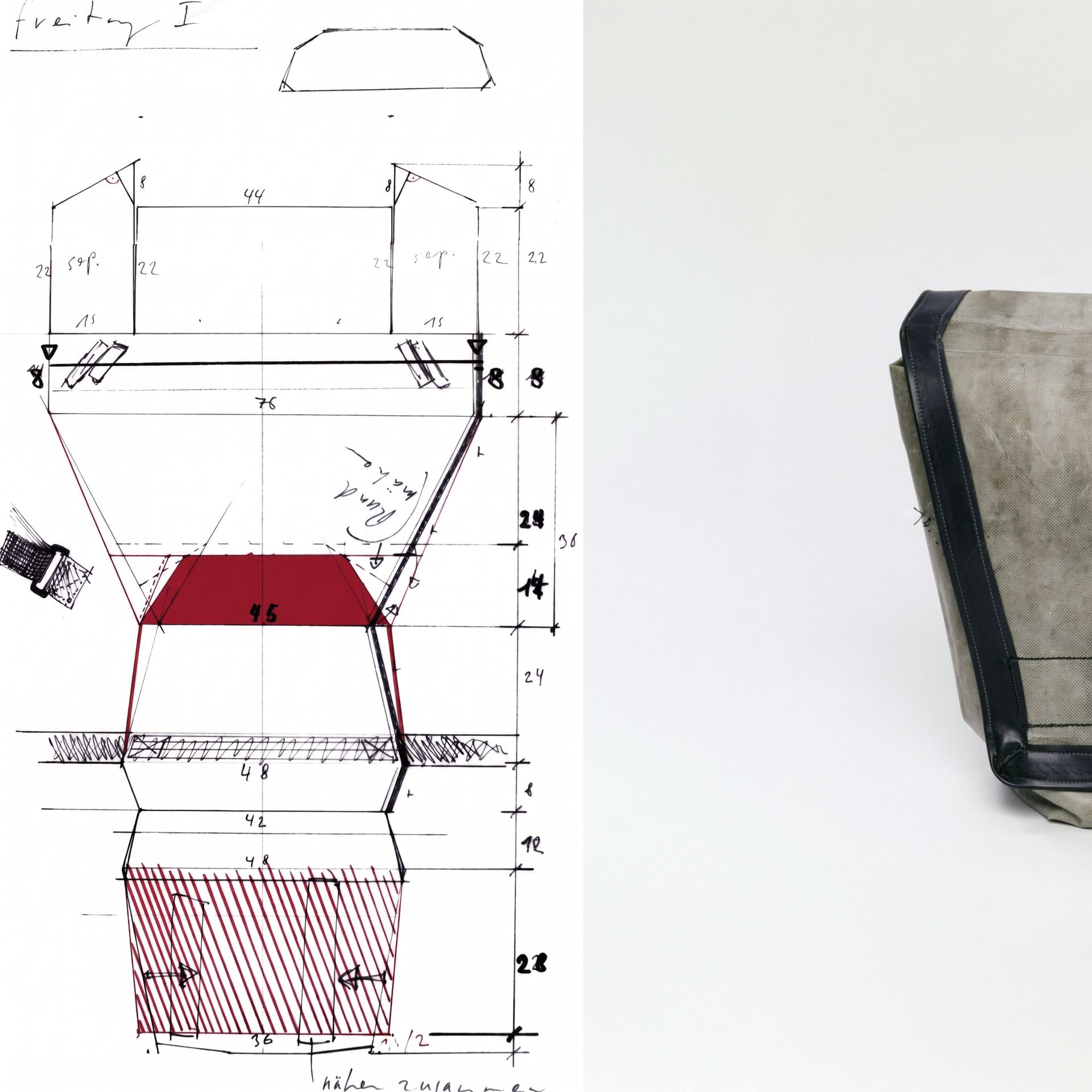
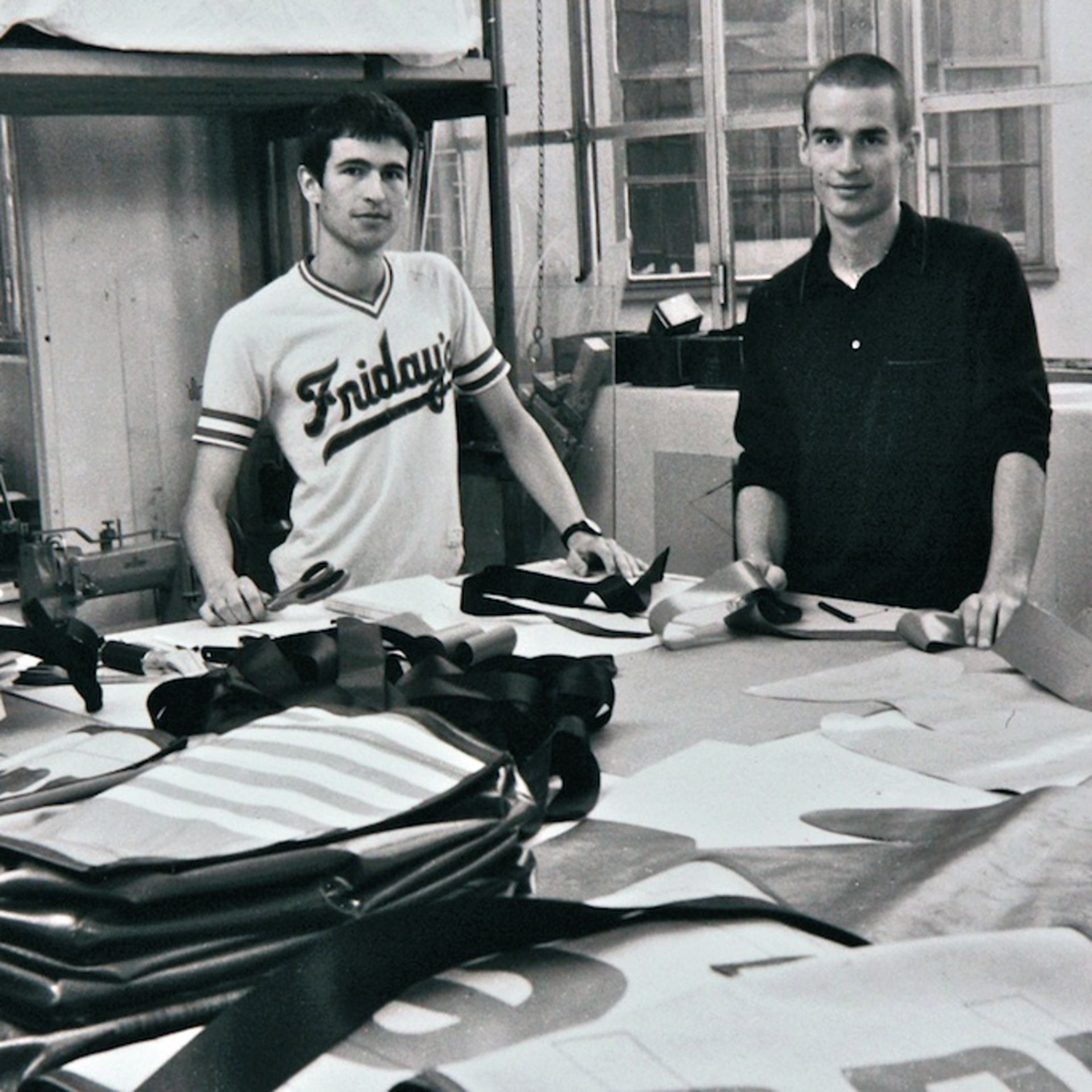
Day-trip destination, nightlife-district beacon, old-timer weathering the waves of gentrification: The Flagship Store has had an eventful history, just like FREITAG itself. Over the coming months, FREITAG is presenting the exhibition «A SECOND LIFE – Used Materials, New Purposes» on the tower’s upper floors. Previously unpublished archival material takes visitors through the history of Zurich's upcycling pioneer and traces the adventurous story behind the creation of its rusty landmark.
Concept & idea: FREITAG & spillman echsle
Architecture: spillman echsle
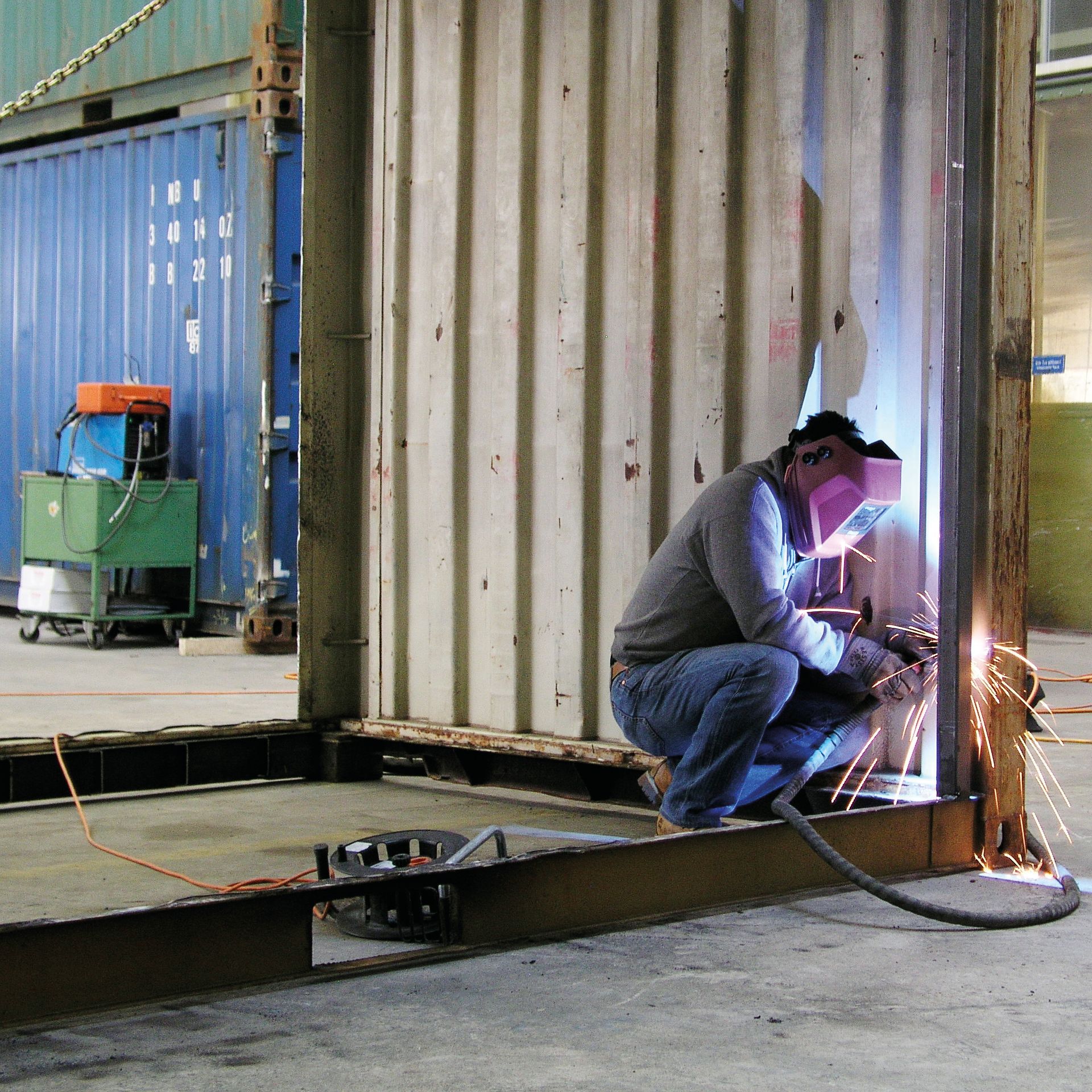
Construction, realization, metalwork: Raumbau AG
Structural engineering: Paul Billeter
Conversions and structural engineering since 2014: Exent AG


